Driving through Dover or the Channel Tunnel with your belongings in 2026? Since the EU Entry/Exit System (EES) became fully operational on 10 April 2026, the border crossing for non-EU travellers, including UK citizens, works differently from a few years ago. Here are the facts removal customers need, so moving day is not held up at the port.
1. What EES is
EES is the EU’s digital border register. It replaces passport stamps for non-EU nationals on short stays in the Schengen area. The first time you cross, border officers take your fingerprints and a facial image and link them to your passport. On later trips the system checks your record and counts the days you spend in Schengen against the 90 days in any 180 rule.
2. Where the check happens at Dover and Folkestone
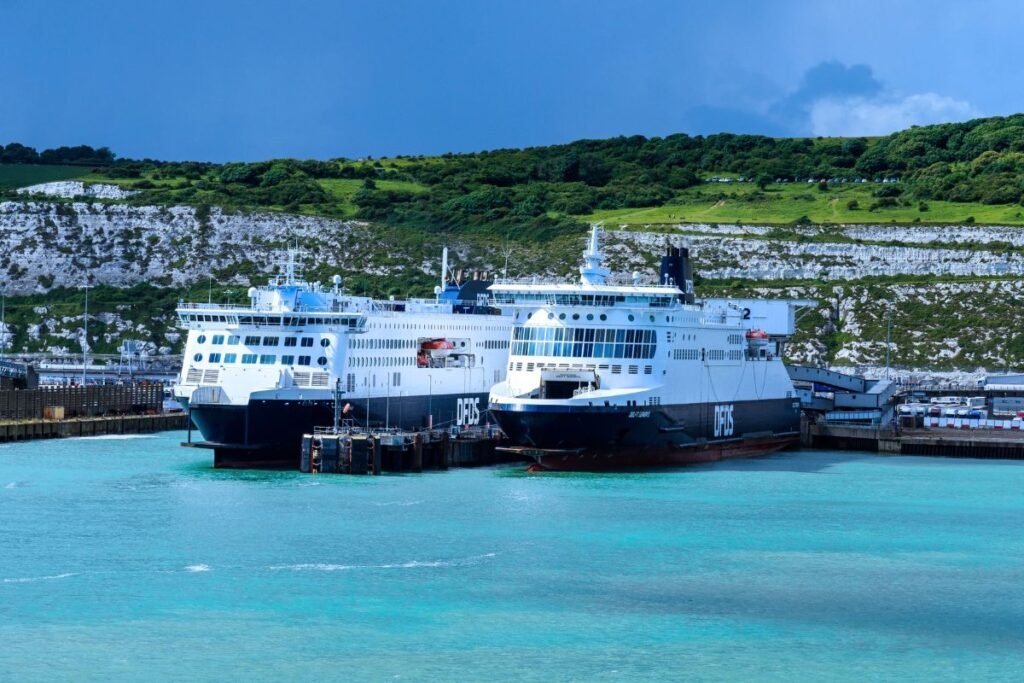
At the Port of Dover and at Eurotunnel Le Shuttle in Folkestone, French border controls take place on the UK side before you board. That means the EES registration happens in Kent, before the ferry or the train, not when you arrive in France. Plan your arrival time at the port with this in mind.
3. Who has to register – and who does not
UK citizens travelling as visitors are registered in EES. According to the European Commission, non-EU nationals who hold a long-stay visa or a residence permit issued by a country using EES are exempt, but they still need to show their passport and that permit at the border. If you are moving to the EU and already have your residence card or long-stay visa, carry it with your passport.
4. Allow extra time on your first crossing
The first registration takes longer than a normal passport check, and queues at peak times have been reported since the system started. If you are travelling with the removal van or driving your own car behind it, book a crossing with a buffer and avoid the busiest school holiday dates when you can. Our guide to the best day to move between the UK and France explains how timing affects customs too.
5. EES is about people – customs is about your goods
EES only checks travellers. Your household goods still need their own customs paperwork: an export declaration, the safety and security data (ENS) and, for many routes, a transit document, plus a valued inventory for transfer of residence relief. When MoveDay carries your belongings, our team prepares these documents, so the van can clear customs while you go through the passenger checks.
6. What to have ready on the day
- passports for everyone travelling, valid for the whole trip;
- your residence card or long-stay visa, if you have one;
- your booking confirmation for the ferry or the tunnel;
- vehicle documents and insurance if you are driving;
- a copy of your removal inventory and the contact number of your removal company.
7. Keep an eye on ETIAS
The EU also plans a travel authorisation, ETIAS, for visa-free visitors, including UK citizens. It is not required yet. Check the official EU website before you travel, and we will update this guide when a start date is confirmed.
Crossing the Channel with MoveDay Removals
MoveDay Removals moves homes between the UK and Europe every month and handles the customs paperwork for your belongings in the same booking. Tell us your dates and route and we will plan the crossing with you. See our international removals and customs for removals pages, read the European removals after Brexit checklist, or request a free quote.
Official sources: European Commission – EES fully operational since 10 April 2026: who is exempt, House of Commons Library – EES and ETIAS.
Website: https://movedayremovals.com
Phone: 07378 626882
Email: office@movedayremovals.co.uk