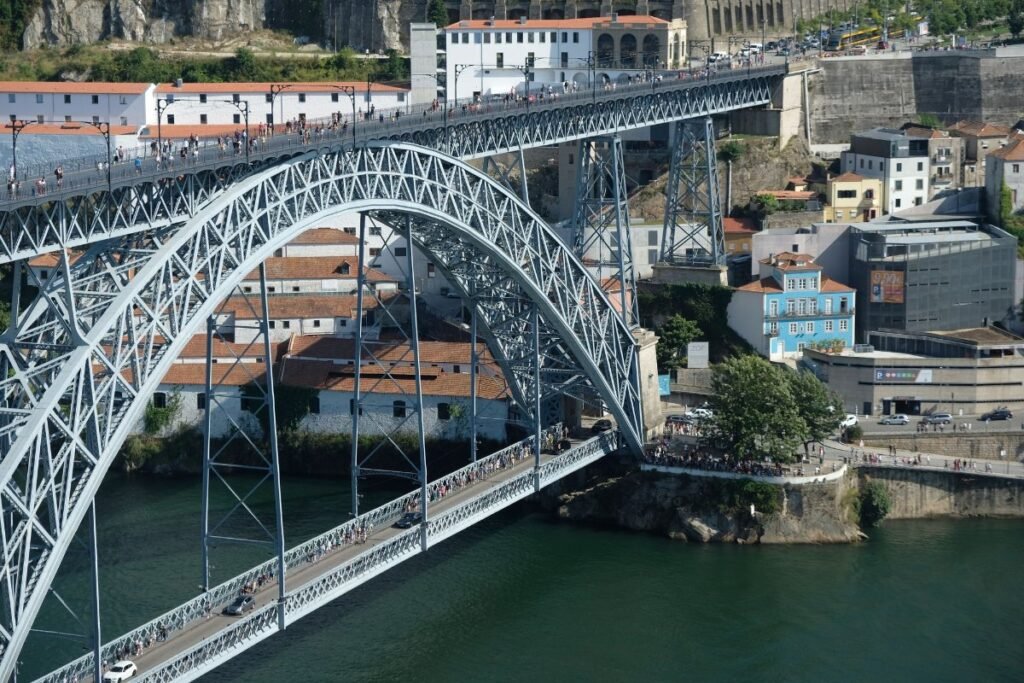
Porto is Portugal’s second city: granite streets, tiled churches, the River Douro, a growing tech scene and a lower cost of living than Lisbon. It is a popular choice for people moving to Porto from the UK. Here are our practical tips for 2026.
1. Sort your visa and residence route first
UK nationals can visit Portugal for up to 90 days in any 180 without a visa. To live in Porto you need a residence visa, for example for work, study, retirement or as a digital nomad, and then a residence card after you arrive. Applications are handled by AIMA, the Portuguese Agency for Integration, Migration and Asylum. Start with the GOV.UK guide to living in Portugal and sort the visa before you fix your removal date.
2. Plan the paperwork for your first weeks
- NIF: the Portuguese tax number. You need it to rent a flat, open a bank account, sign up for utilities and register for healthcare.
- Residence card: temporary cards are renewed every 2 to 3 years, and you may be fined if you cannot show a valid residence document when asked.
- Healthcare: once registered as a resident you can use the national health service (SNS). Get your user number at your local health centre with your residence certificate, passport and NIF. See GOV.UK healthcare in Portugal.
- Driving licence: registered residents can drive on a UK licence until it expires. Check the driving section of the GOV.UK guide before you plan to exchange it.
3. Expect hills, steps and narrow streets
Porto is built on steep hills. The Ribeira, the Baixa and many streets around São Bento are narrow, with cobbles, steps and very little space to park a van. Many older buildings have no lift. Measure large furniture and the stairwell before moving day, and ask your landlord or building about access.
When you move with MoveDay Removals, we plan the right vehicle and access for your street before moving day.
4. Check traffic rules for the historic centre
Porto is limiting some traffic in the historic centre, including tuk-tuks and tourist coaches, and restrictions can change. Before you drive into the old town, check the latest information on the Porto City Council website, and ask your removal company how they will reach your door.
5. Get the customs paperwork right
Household goods going from the UK to Portugal cross an EU customs border. You will need a full inventory and the correct declarations. If you are moving your normal home to Portugal, you may be able to bring your belongings in without import duty under transfer of residence relief, as long as you meet the conditions. Read our UK Customs Guide 2026 and what you can and can’t take on a removals lorry to the EU, or let our customs team handle the forms.
6. Choose your area
- Baixa and Ribeira: the historic heart, full of character but difficult for vehicles.
- Cedofeita and Bonfim: arts, cafes and independent shops, popular with younger expats.
- Boavista: modern flats, offices and the Casa da Música.
- Foz do Douro: the seafront district, quieter and more residential.
- Matosinhos and Vila Nova de Gaia: beaches and wine cellars a short metro or bus ride away.
7. Settle in and meet people
Porto has a metro, buses and a train network to the airport and across the north. Join local expat groups before you move for tips on renting, schools and paperwork, and start learning some Portuguese, which locals appreciate. Also comparing other cities? Read our tips for Málaga and Valencia.
Moving to Porto? We can help
MoveDay Removals moves families and businesses between the UK and Europe, with full and part loads, and we take care of the customs paperwork too. See our international removals page or get a free quote.
Website: https://movedayremovals.com
Phone: 07378 626882
Email: office@movedayremovals.co.uk
This article is general guidance, correct as of October 2026. Rules can change, so always check GOV.UK, AIMA and the Portuguese authorities before you move.